The Ngorongoro Crater is often called Africa's Garden of Eden. Formed when a huge volcano collapsed millions of years ago, it is the world's largest unbroken, unflooded volcanic caldera. Its floor covers about 260 km² and lies roughly 600 m below the forested rim.
Wildlife in the crater
The crater supports an estimated 25,000 large animals, including:
- Black rhino — one of the best places in Tanzania to see this endangered species
- Large lion prides and spotted hyenas
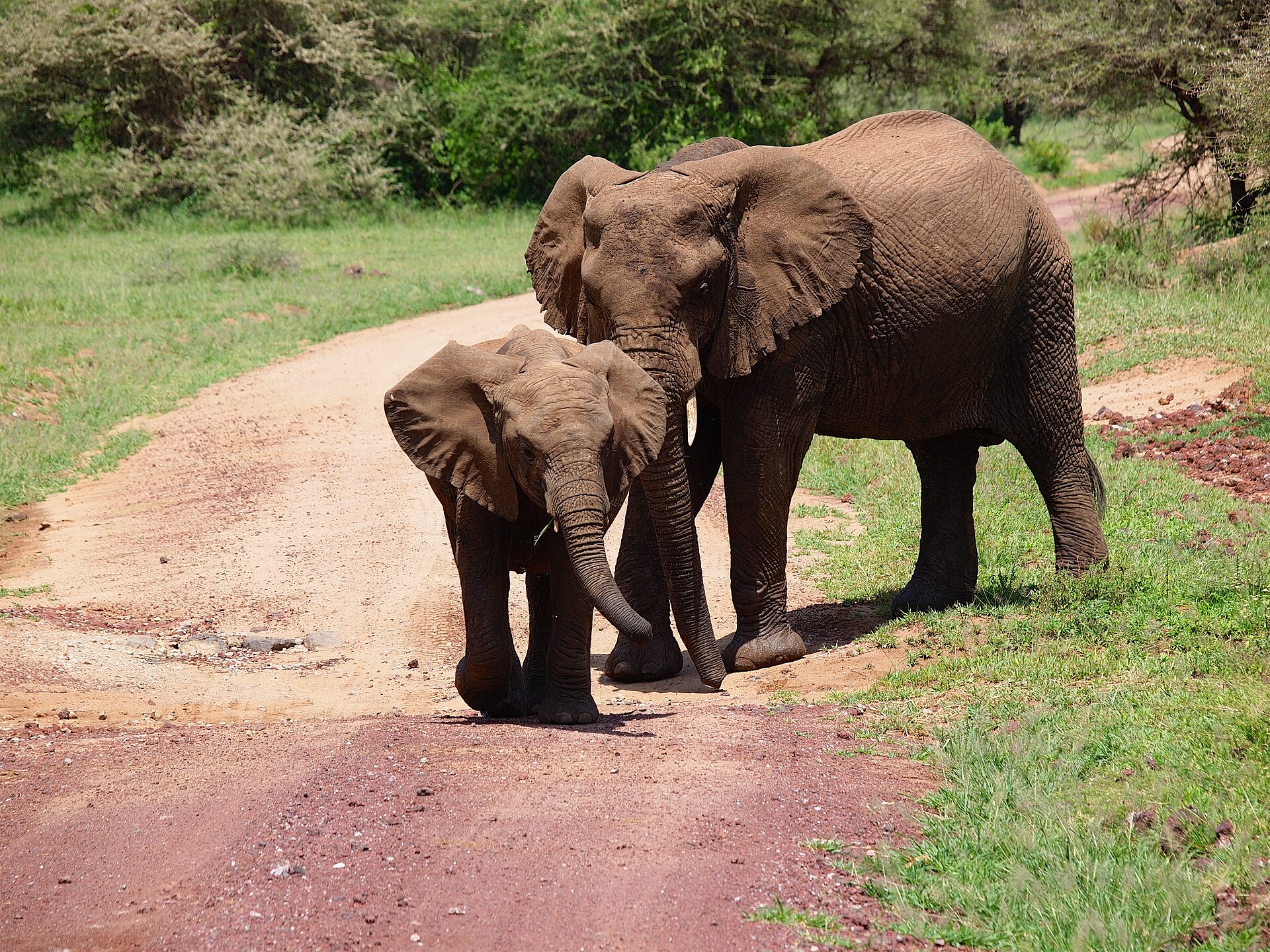
- Old bull elephants with impressive tusks
- Buffalo, wildebeest, zebra, gazelles and hippos
- Flamingos on the soda lake, Lake Magadi
Giraffe are absent because the steep crater walls are hard to climb, and food is limited for them on the open grassland.
Crater rules you should know
- Game drives on the crater floor are limited to about six hours per vehicle per day.
- Vehicles must stay on designated tracks.
- Picnic lunches are allowed only at marked sites such as the hippo pool.
Best time to visit
The crater is excellent all year because the wildlife does not migrate. June to October brings dry, clear conditions. During the green season the crater floor is lush and quieter. Start early: the first vehicles enter around sunrise, when the light is beautiful and animals are active.
Where to stay
Lodges on the crater rim offer breathtaking views but cold nights — bring a fleece. Lodges in Karatu, about 30–40 minutes away, are surrounded by coffee farms and often better value.
The Ngorongoro Conservation Area
The crater is part of the wider Ngorongoro Conservation Area, a UNESCO World Heritage Site where Maasai communities graze their livestock alongside wildlife. The area also includes Olduvai Gorge, one of the world's most important sites for understanding human evolution, and the Ndutu area used by the migration during calving season.
A brief history of the crater
The Ngorongoro Crater was formed around two to three million years ago when a large volcano erupted and collapsed in on itself. The rim today stands at about 2,200–2,300 m above sea level. The highlands around the crater are cool and green, with misty forests that feel very different from the plains below.
Planning your crater day
- Leave early. Aim to descend as soon as the gates open.
- Bring layers. It can be cold on the rim and warm on the floor.
- Pack a picnic. Your lodge provides a lunch box to enjoy at a designated picnic site.
- Watch for black kites at picnic sites — eat inside the vehicle if needed.
Beyond the crater
- Olduvai Gorge — the museum and viewpoint tell the story of early human discoveries made here.
- Empakaai Crater — a smaller crater with a soda lake and flamingos, great for hiking.
- Maasai villages — learn about pastoral life in the conservation area.
Photography tips
The light is softest early in the morning when mist still hangs over the crater walls. A long lens helps for rhino, which often stay at a distance. Flamingos on Lake Magadi make colourful wide-angle shots.
Frequently asked questions
Can you stay overnight in the crater?
No. There is no accommodation on the crater floor. Lodges are on the rim or in the surrounding highlands and Karatu.
How long does it take to drive into the crater?
The descent road takes around 30–45 minutes from the rim, depending on which road is used and how many stops you make.
Is the crater too crowded?
It can be busy in peak season, but the crater floor is large and good guides know quieter areas. Starting early makes a big difference.
How to include the crater in your safari
Most safaris visit Ngorongoro on the way to or from the Serengeti. It features in almost all our Tanzania wildlife safaris, including the short 3 Days Tarangire & Ngorongoro Crater Safari.
Read more about the Ngorongoro Crater.

Utmost Tanzania Tours
Utmost Tanzania Tours is an Arusha-based tour operator specialising in tailor-made wildlife safaris, Mount Kilimanjaro treks, Zanzibar beach holidays and cultural tours.