Choosing your route is the most important decision when planning a Kilimanjaro climb. Each route has its own scenery, difficulty and acclimatisation profile. This guide compares the main options so you can choose with confidence.
The key factor: acclimatisation
Altitude, not fitness, is the main reason climbers fail to reach the summit. Routes that "climb high and sleep low" and that take more days give your body time to adapt. As a rule, 7 or 8 days on the mountain gives much better chances than 5 or 6.
Machame Route — "Whiskey Route"
- Duration: 6–7 days
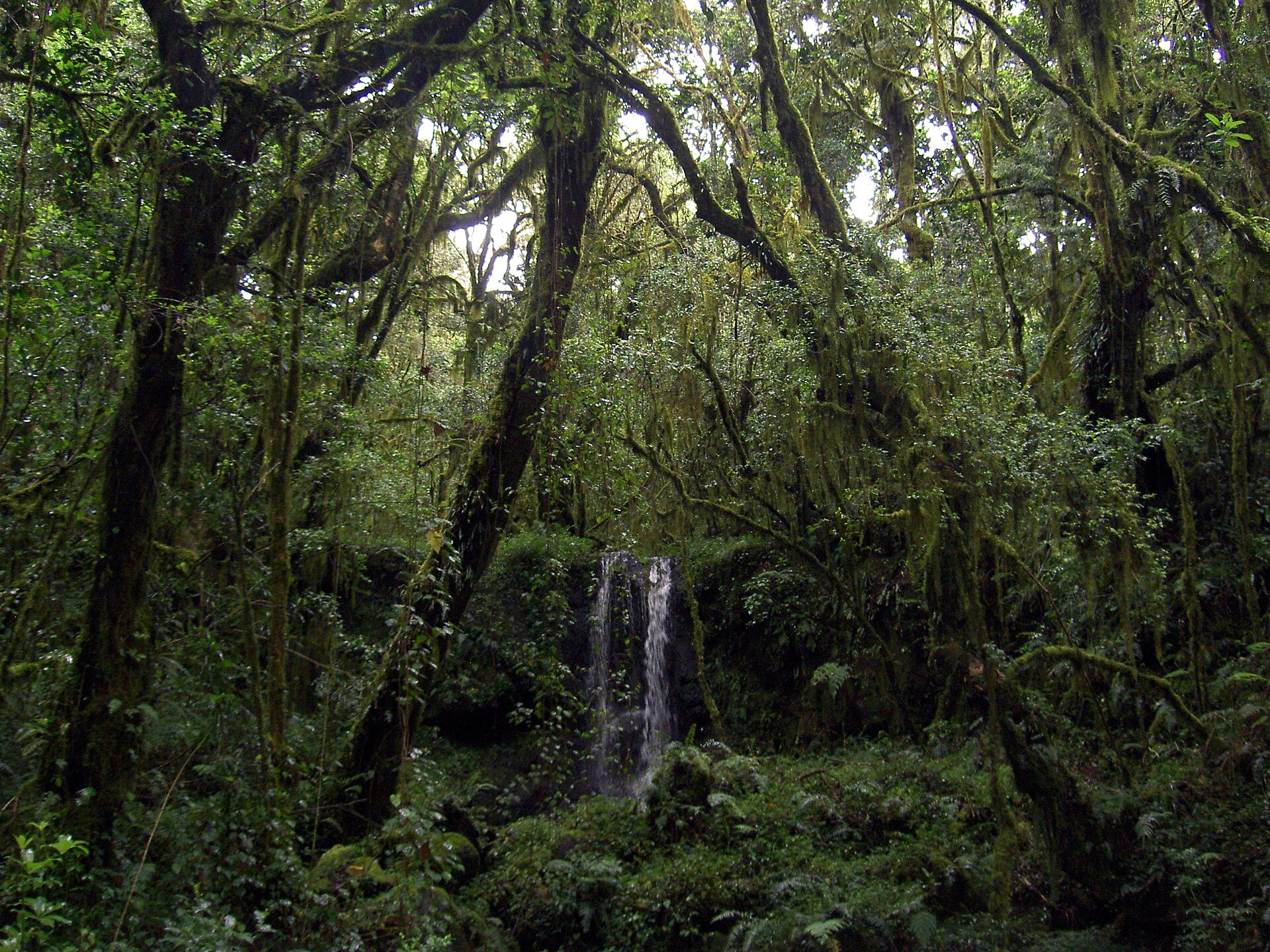
- Scenery: excellent, through forest, the Shira Plateau, Lava Tower and the Barranco Wall
- Difficulty: moderate to challenging, with some steep sections
- Accommodation: tents
- Best for: fit hikers who want variety and good acclimatisation
See our 7 Days Machame Route.
Lemosho Route
- Duration: 7–8 days
- Scenery: outstanding — remote western forest and the full width of the Shira Plateau
- Difficulty: moderate, with a gentle start
- Crowds: quiet for the first few days
- Best for: anyone who wants the best balance of scenery and summit success
See our 8 Days Lemosho Route.
Marangu Route — "Coca-Cola Route"
- Duration: 5–6 days
- Scenery: pleasant, but you ascend and descend the same way
- Difficulty: gradual gradients, but a short acclimatisation profile
- Accommodation: shared mountain huts with bunk beds
- Best for: climbers who prefer huts to tents; always choose the 6-day version
See our 6 Days Marangu Route.
Rongai Route
- Duration: 6–7 days
- Scenery: approaches from the north near the Kenyan border; drier and wilder
- Best for: the rainy season and climbers who want a quieter route
Northern Circuit
- Duration: 8–9 days
- Scenery: circles the remote northern slopes
- Best for: maximum acclimatisation and solitude — the longest route on the mountain
Umbwe Route
- Duration: 6–7 days
- Difficulty: very steep and direct — only for experienced trekkers
Route comparison table (summary)
- Machame: 6–7 days · tents · scenic · moderate–challenging · busy
- Lemosho: 7–8 days · tents · outstanding scenery · moderate · quiet start
- Marangu: 5–6 days · huts · same up and down · moderate · busy
- Rongai: 6–7 days · tents · dry and wild · moderate · quiet
- Northern Circuit: 8–9 days · tents · remote · moderate · very quiet
- Umbwe: 6–7 days · tents · very steep · difficult · quiet
How descents work
On most camping routes (Machame, Lemosho, Rongai, Northern Circuit, Umbwe), you descend via the Mweka Route on the southern slopes. On the Marangu Route, you return the same way you came up. Descents are hard on the knees, so trekking poles are highly recommended.
Which route for the rainy season?
The Rongai Route on the drier northern side is often recommended during the rains. The Marangu Route offers the comfort of huts when the weather is wet.
Which route has the best views?
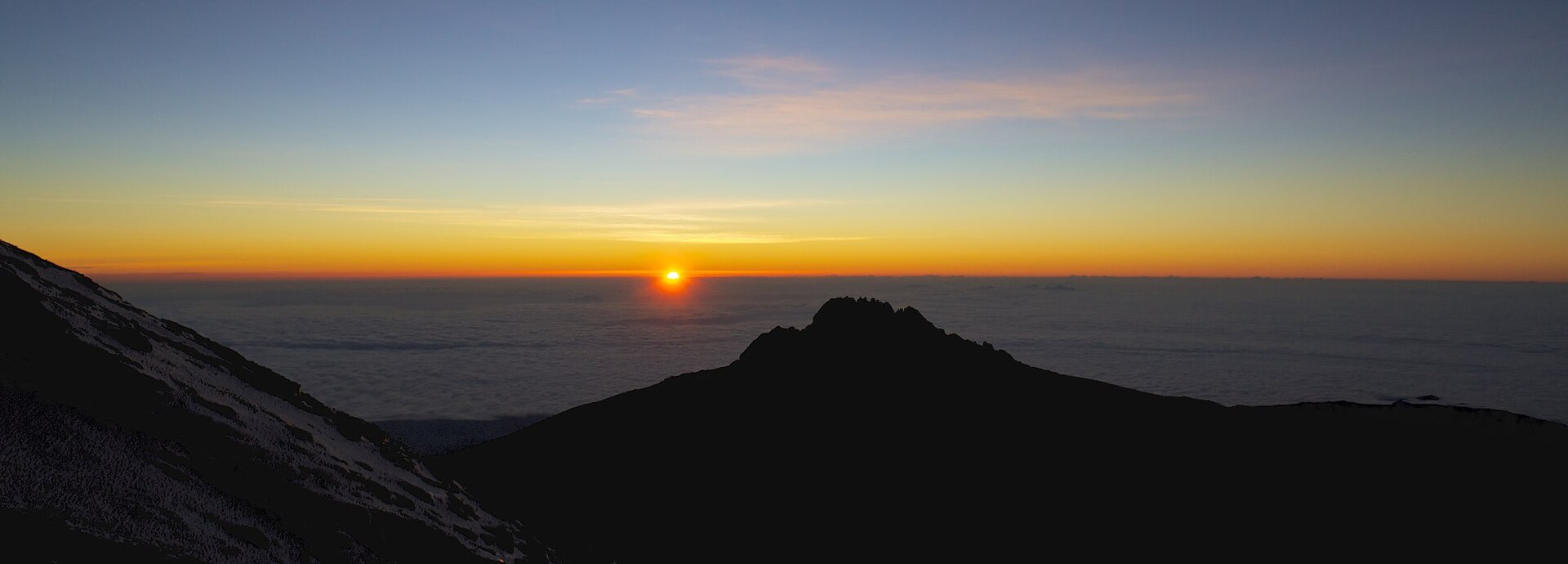
The Lemosho and Machame routes are widely considered the most scenic, with the Shira Plateau, Lava Tower and the Barranco Wall. The Northern Circuit offers unique views north towards Kenya.
Frequently asked questions
What is the easiest route up Kilimanjaro?
No route is truly easy because of the altitude. Routes with gentle gradients and more days, such as Lemosho 8 days, are often the most comfortable for beginners.
Is the Barranco Wall dangerous?
It looks intimidating but is a non-technical scramble with good handholds. Guides help climbers through the trickier steps.
Which route has the highest success rate?
Longer routes with good acclimatisation profiles — such as the 8-day Lemosho and the Northern Circuit — generally have higher success rates than short itineraries.
Our recommendation
For most climbers, the Lemosho (8 days) or Machame (7 days) routes offer the best combination of scenery, acclimatisation and value. If you prefer a bed in a hut, choose the 6-day Marangu.
Browse all our Kilimanjaro climbing tours.

Utmost Tanzania Tours
Utmost Tanzania Tours is an Arusha-based tour operator specialising in tailor-made wildlife safaris, Mount Kilimanjaro treks, Zanzibar beach holidays and cultural tours.