Kilimanjaro is often called the most accessible of the world's great mountains. Every year, thousands of people with no mountaineering experience reach the summit. But "accessible" does not mean easy. Here is what beginners need to know.
Do you need climbing experience?
No. Kilimanjaro is a trek, not a technical climb. You will not need ropes, harnesses or ice axes on the standard routes. What you do need is good general fitness, determination and enough days to acclimatise.
How hard is it really?
The difficulty comes from:
- Altitude — the summit is 5,895 m, where the air has about half the oxygen available at sea level
- Summit night — a long, cold climb starting around midnight
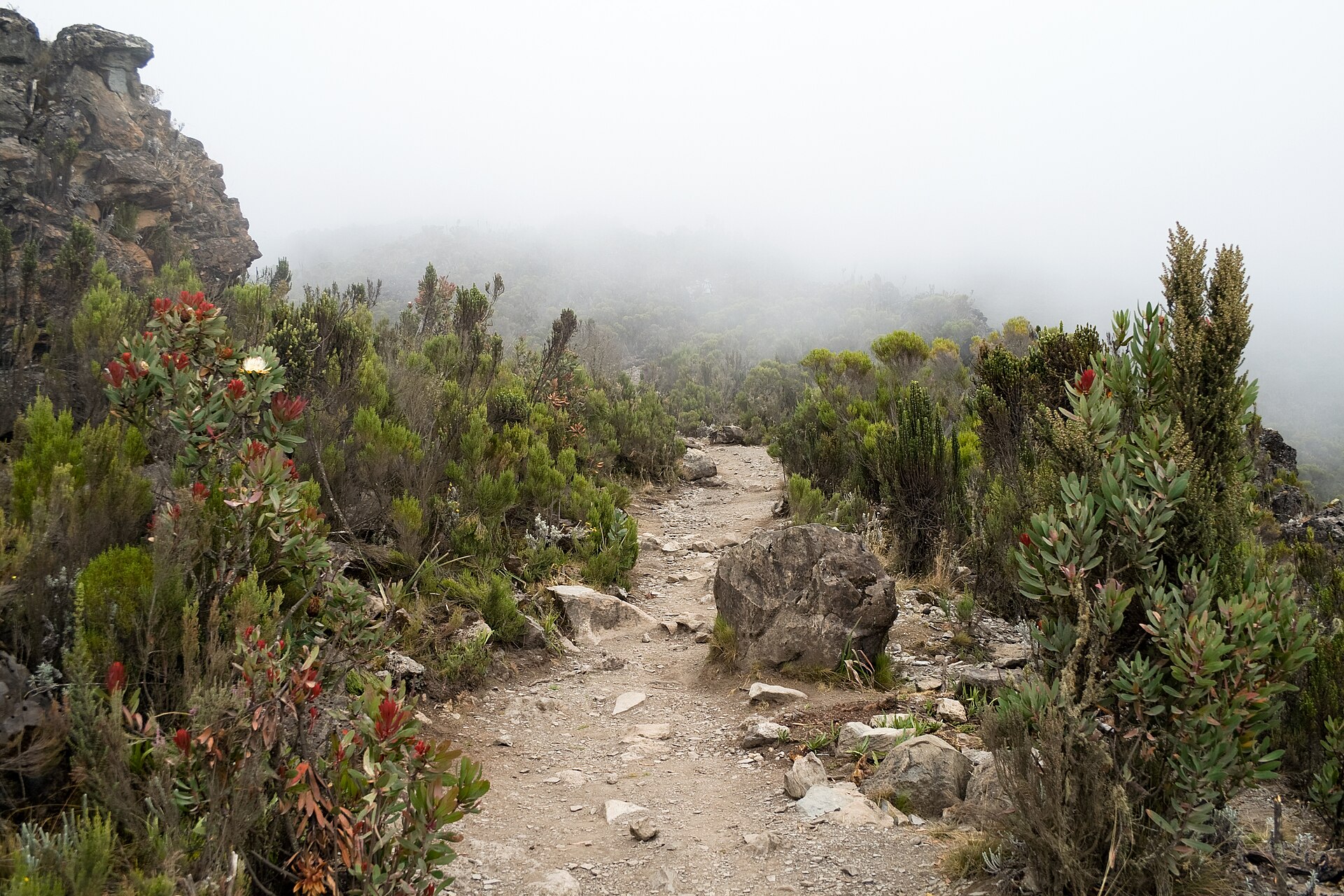
- Several days of hiking with basic camping conditions
Tips for first-time climbers
- Choose a longer route such as the 8-day Lemosho or 7-day Machame.
- Train for 8–12 weeks with regular hikes.
- Get the right gear, especially boots, a warm sleeping bag and layers. See our packing list.
- Listen to your guide and walk slowly.
- Stay hydrated and eat, even when you do not feel like it.
What is a typical day like?
You wake around 6:30 with tea brought to your tent, eat breakfast and start walking. Most days involve 4–7 hours of hiking with a lunch stop. Afternoons are for resting, acclimatisation walks and dinner in the mess tent before an early night.
Who should not climb?
People with certain heart or lung conditions should check with a doctor before booking. Children must be at least 10 years old to climb to the summit under park rules.
What makes a climb successful?
- Enough days — choose seven or eight.
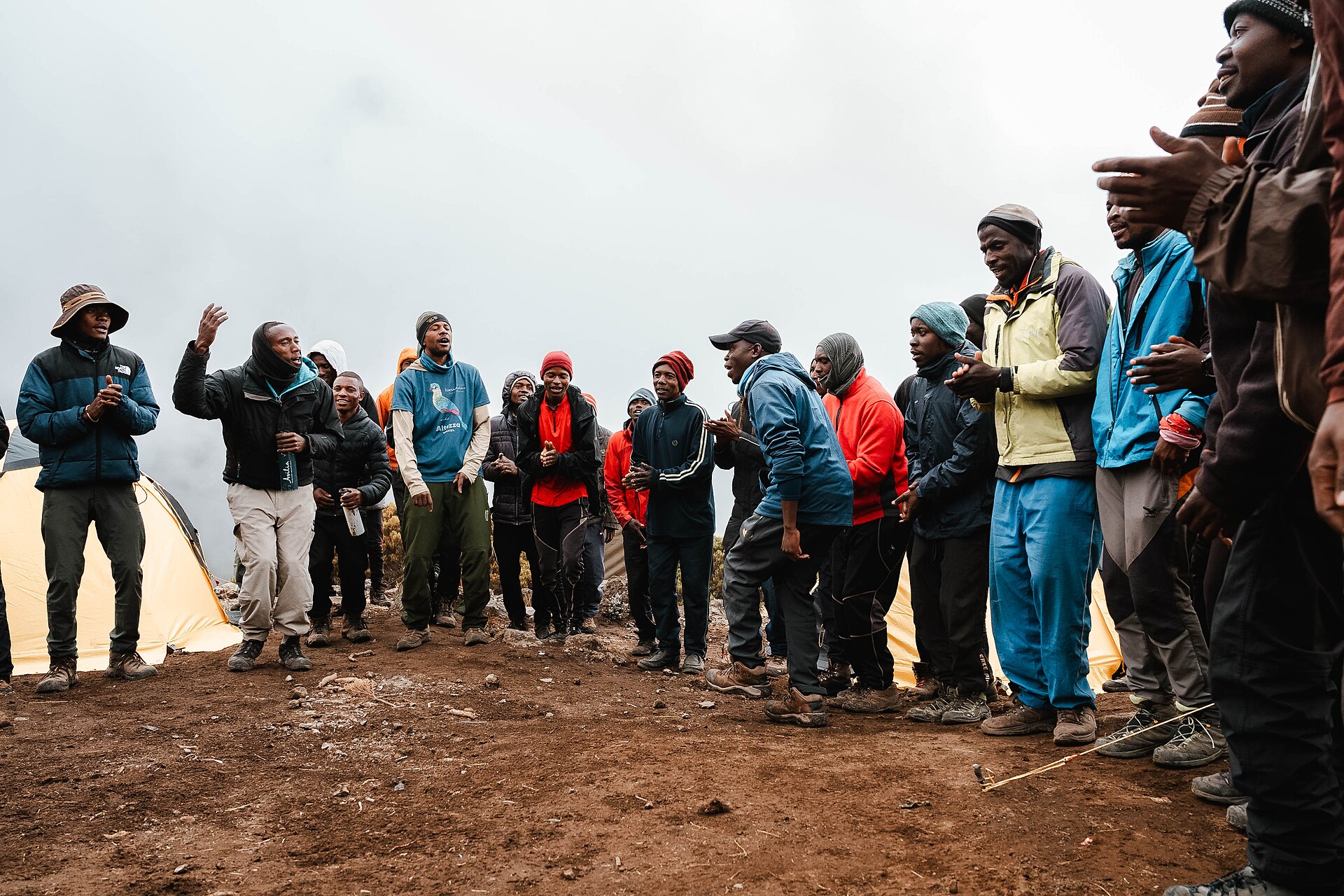
- A good team — experienced guides who monitor your health.
- Preparation — training, gear and rest before the climb.
- Attitude — patience, positivity and listening to your body.
Life on the mountain
- Camps: tents are set up by the crew before you arrive.
- Meals: hot breakfasts, packed or hot lunches and three-course dinners prepared by your cook.
- Water: collected from streams and purified.
- Toilets: public long-drop toilets at camps, or a private toilet tent if included.
- Washing: a bowl of warm water is provided each morning and evening.
Common beginner mistakes
- Walking too fast on the first days
- Not drinking enough water
- Wearing new boots
- Packing too much in the daypack
- Choosing the shortest route to save money
Frequently asked questions
Can I climb Kilimanjaro alone?
You cannot climb without a licensed guide, but you can join as a solo traveller with your own private crew.
How many people reach the summit?
Success rates vary by route and itinerary length. Longer routes with good acclimatisation have much higher success rates than five- or six-day climbs.
What if I cannot continue?
An assistant guide will accompany you down safely while the rest of your group continues.
Is it worth it?
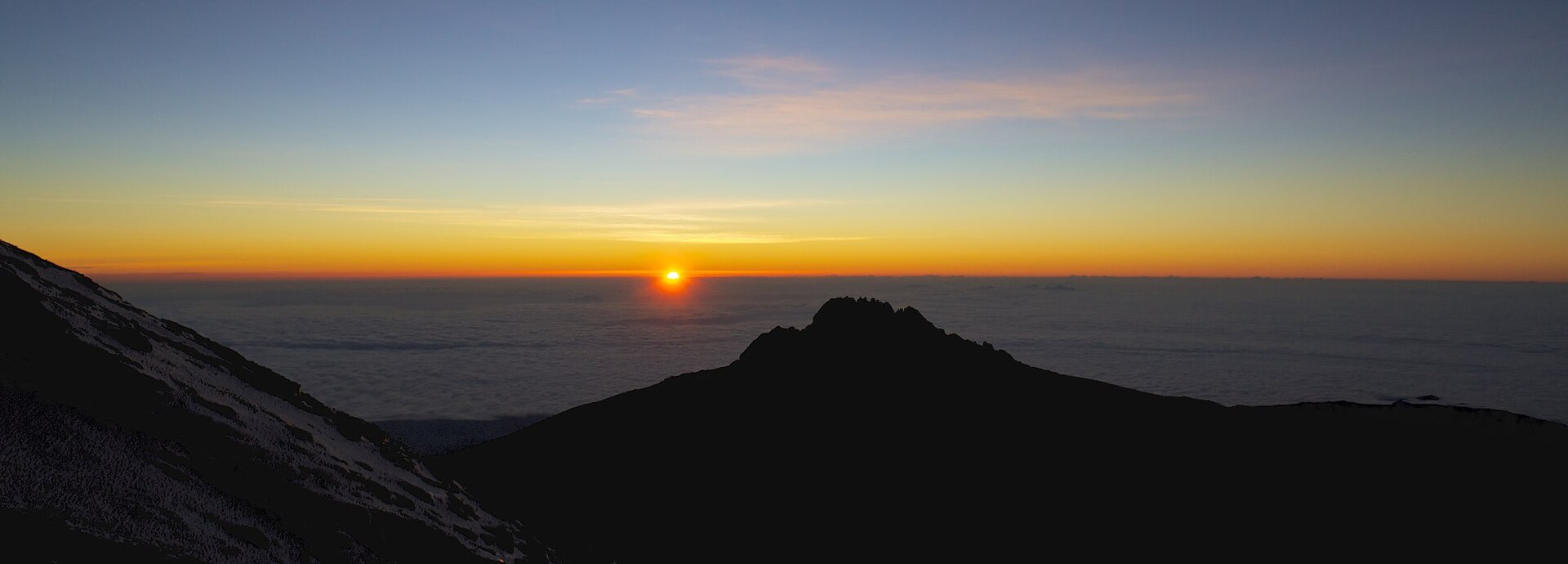
Absolutely. Watching the sunrise from the roof of Africa, above the clouds and glaciers, is an experience you will never forget.
Read about altitude sickness or see all Kilimanjaro climbing tours.

Utmost Tanzania Tours
Utmost Tanzania Tours is an Arusha-based tour operator specialising in tailor-made wildlife safaris, Mount Kilimanjaro treks, Zanzibar beach holidays and cultural tours.