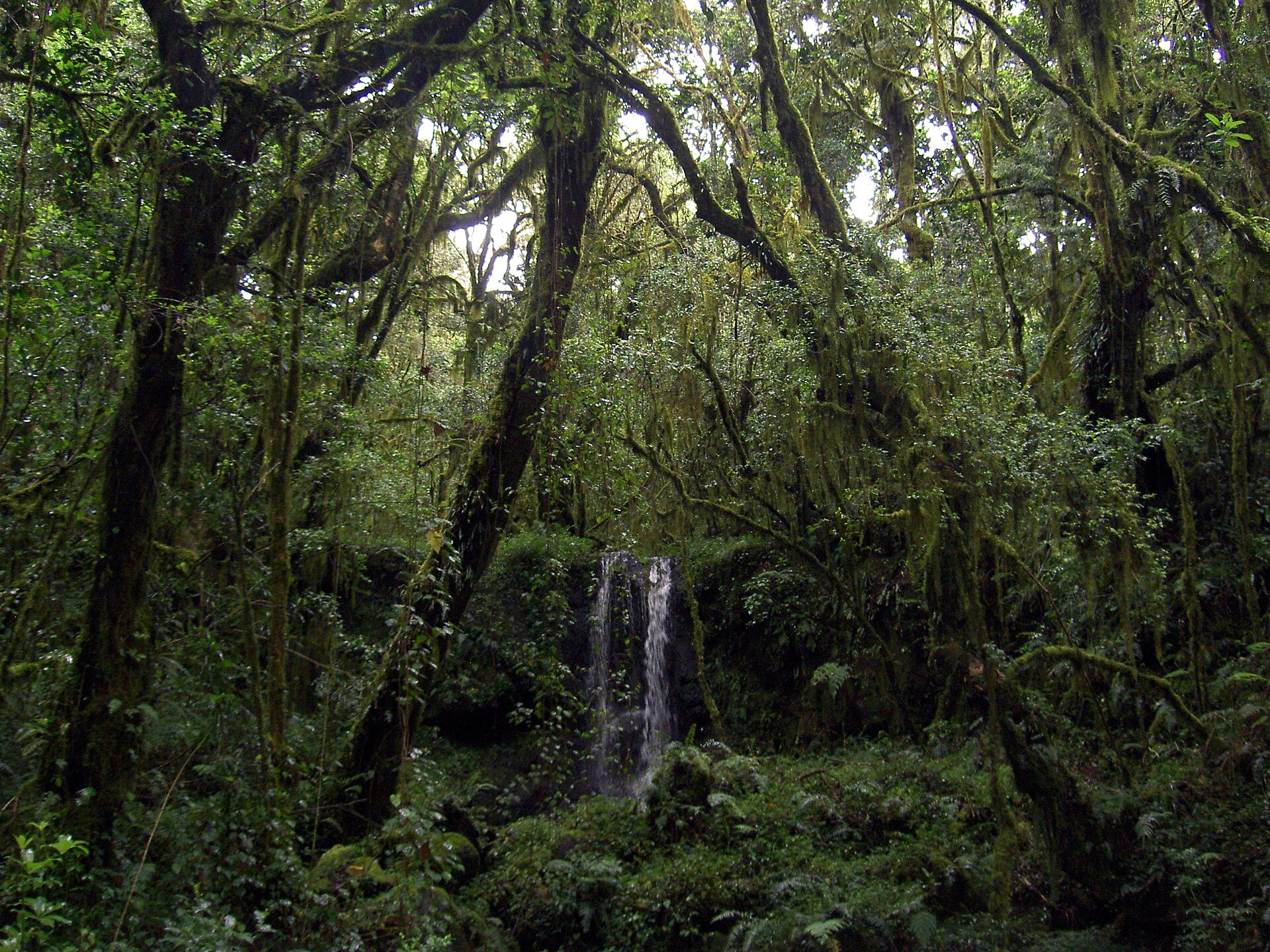
Packing correctly for Kilimanjaro is essential for your comfort and safety. You will pass through every climate zone, from warm rainforest to arctic summit temperatures that can drop well below freezing. The key is a good layering system.
Bags
- Duffel bag (around 70–90 litres) carried by your porter — the weight limit is usually around 15 kg
- Daypack (25–35 litres) that you carry, with a rain cover
- Dry bags or plastic-free liners to keep clothes dry
Clothing layers
Base layers
- 2–3 moisture-wicking T-shirts
- 2 long-sleeved thermal tops
- 2 pairs of thermal leggings
Mid layers
- Fleece jacket
- Insulated (down or synthetic) jacket for summit night
Outer layers
- Waterproof, breathable jacket
- Waterproof trousers
- Trekking trousers (1–2 pairs)
Extremities
- Warm hat and sun hat
- Buff or neck gaiter
- Thin liner gloves and thick insulated gloves or mittens
- 4–5 pairs of hiking socks and liner socks
Footwear
- Waterproof hiking boots, already worn in
- Comfortable camp shoes or trainers
- Gaiters for mud and scree
Sleeping
- Sleeping bag rated to around -10°C or colder
- Inflatable pillow (optional)
Equipment
- Trekking poles
- Headlamp with spare batteries
- Water bottles or hydration bladder (at least 3 litres capacity)
- Sunglasses with UV protection
- Power bank
Health and toiletries
- High-factor sunscreen and lip balm with SPF
- Personal medication and blister plasters
- Wet wipes, hand sanitiser and toilet paper
- Altitude medication if recommended by your doctor
Snacks
Energy bars, nuts and sweets help on long days, especially summit night.
Your daypack contents
Each day you carry only what you need until you reach camp:
- Water (2–3 litres)
- Rain jacket and trousers
- Warm layer
- Snacks and packed lunch
- Sunscreen, sunglasses and hat
- Camera and phone
- Personal medication
- Toilet paper and hand sanitiser
Summit night checklist
- Base layer, fleece and insulated jacket
- Waterproof outer layers
- Balaclava, warm hat and buff
- Liner gloves and thick mittens
- Two pairs of warm socks
- Headlamp with fresh batteries
- Insulated water bottle or a bottle cover to stop freezing
- Energy snacks
- Hand warmers
Packing tips
- Pack clothes in dry bags by type so they are easy to find.
- Keep your summit layers together.
- Weigh your duffel before handing it to the porters.
- Leave non-essential items at your hotel in Arusha or Moshi.
Frequently asked questions
How heavy should my daypack be?
Aim for 5–8 kg. A light pack makes a big difference at altitude.
Do I need a down jacket?
A warm insulated jacket (down or synthetic) is essential for summit night and cold evenings at high camps.
Can I charge my phone on Kilimanjaro?
There are no charging points on the mountain. Bring a power bank and keep it warm.
What can you rent?
If you do not want to buy everything, sleeping bags, jackets, trekking poles and gaiters can usually be rented in Arusha or Moshi. Let us know in advance.
See our Kilimanjaro climbing tours for what is included in your climb.

Utmost Tanzania Tours
Utmost Tanzania Tours is an Arusha-based tour operator specialising in tailor-made wildlife safaris, Mount Kilimanjaro treks, Zanzibar beach holidays and cultural tours.