The Great Wildebeest Migration is the largest movement of land animals on Earth. Around 1.5 million wildebeest, joined by roughly 300,000 zebra and many gazelle, circle the Serengeti–Mara ecosystem each year in search of fresh grass and water. Here is where the herds usually are each month — and how to plan your safari around them.
Why do the herds move?
The migration follows the rain. As each area's grass is eaten and dries out, the herds move on to where rain has produced fresh grazing. Because rainfall changes every year, the timings below are a guide rather than a guarantee.
December to March: southern Serengeti and Ndutu
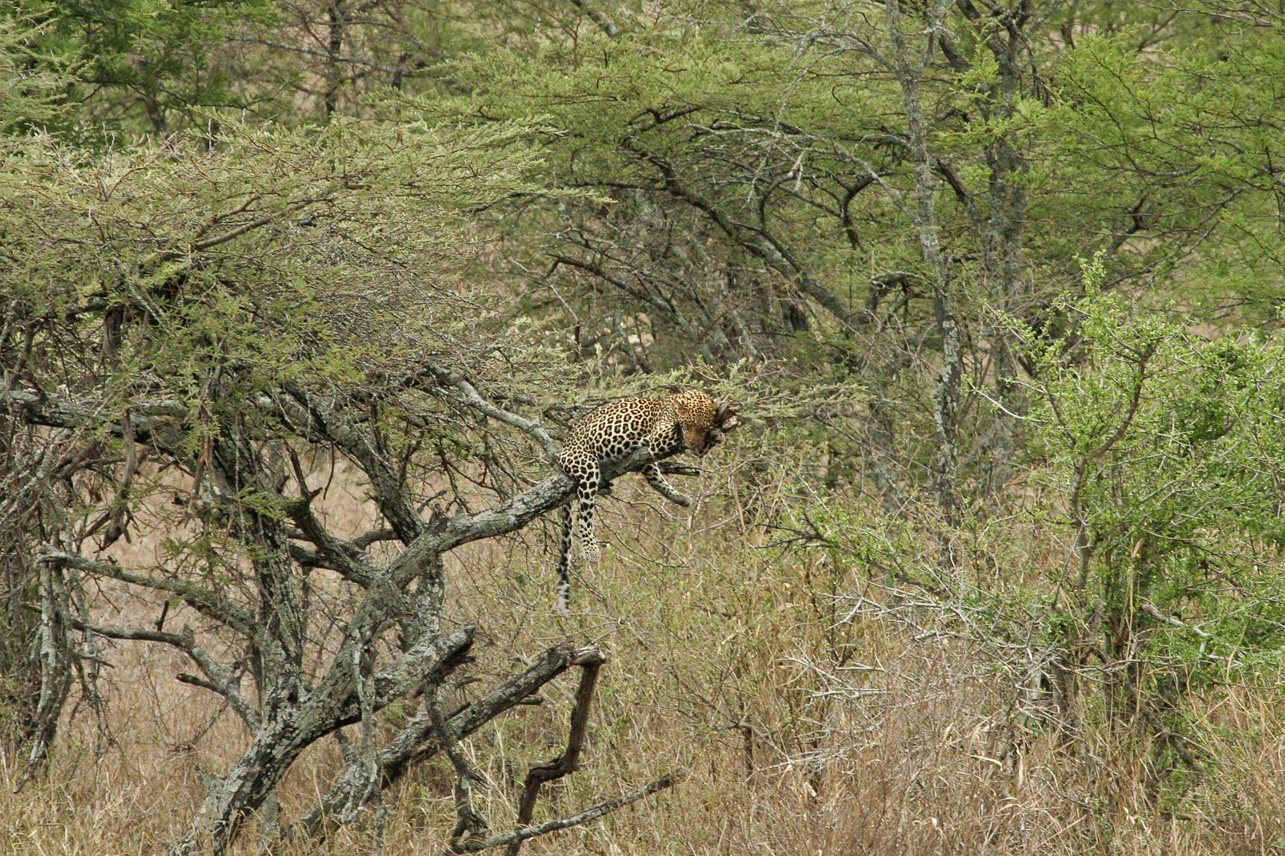
After the short rains, the herds spread across the nutrient-rich plains of the southern Serengeti and the Ndutu area of the Ngorongoro Conservation Area. This is calving season: most calves are born within a few weeks around February. Predators are everywhere, making this a superb time for big-cat sightings.
April and May: central Serengeti
The long rains push the herds north-west through the central Serengeti. Columns of wildebeest can stretch for kilometres. This is the quietest time to visit, with lower prices and lush scenery.
June and July: Western Corridor
The herds reach the Western Corridor and must cross the Grumeti River, where large crocodiles wait. Crossings here are smaller than on the Mara but can be spectacular.
July to October: northern Serengeti and the Mara River
The herds arrive in the northern Serengeti and cross back and forth over the Mara River. These crossings are the most famous scenes of the migration — thousands of animals plunging down steep banks into crocodile-filled water. Some of the herd also moves into Kenya's Masai Mara.
November: heading south
With the short rains, the herds stream south again through the eastern Serengeti, returning to the calving grounds by December.
Tips for seeing the migration
- Stay close to the herds. Choose camps in the right area for your dates; mobile camps relocate with the migration.
- Allow time. River crossings cannot be predicted. Three nights near the Mara River gives you a good chance.
- Consider flying. Light-aircraft flights save long drives to the north.
- Be flexible. A good guide will move with the latest sightings.
Understanding river crossings
A river crossing is one of the most dramatic sights in nature, but it requires patience. Herds may gather on the bank for hours — sometimes days — before the first animal takes the plunge. Once one goes, thousands follow. Crocodiles, strong currents and steep banks make every crossing a life-or-death event.
Good guides read the signs: the size of the herd, the direction it is moving and the behaviour at the water's edge. They keep a respectful distance so the animals are not disturbed, and they follow the park's rules about vehicle positioning.
Calving season explained
The short-grass plains of the southern Serengeti grow on volcanic soils rich in minerals, which helps lactating females and young calves. Within minutes of birth, a wildebeest calf can stand and run with the herd. The sheer number of births in a short period overwhelms predators — a survival strategy known as predator swamping.
Where to stay during the migration
- Permanent camps offer comfort and reliable quality in areas the herds pass through.
- Mobile camps move several times a year to stay close to the action.
- Lodges in the Ngorongoro Conservation Area (Ndutu) are ideal for the calving season.
Migration safari tips
- Plan three or more nights in the right area.
- Combine with the Ngorongoro Crater and Tarangire for variety.
- Bring a camera with a fast shutter and plenty of storage.
- Accept that nature cannot be scheduled — enjoy every sighting.
Frequently asked questions
Can I see the migration in Tanzania all year?
Yes. Unlike Kenya, where the herds are present mainly from July to October, Tanzania's Serengeti hosts the migration in some part of the ecosystem all year round.
When is the best month to see a Mara River crossing?
Crossings happen most often from August to September, but they can occur from July to October depending on the rains.
Is the calving season good for big cats?
It is one of the best times. Lions, cheetahs, hyenas and even wild dogs are drawn to the southern plains by the abundance of young prey.
Our Great Migration safaris
- 6 Days Calving Season Safari — January to March
- 7 Days Mara River Crossing Safari — July to October
- 4 Days Serengeti Migration Fly-in Safari — any time of year
Find out more on our Great Migration safari page.

Utmost Tanzania Tours
Utmost Tanzania Tours is an Arusha-based tour operator specialising in tailor-made wildlife safaris, Mount Kilimanjaro treks, Zanzibar beach holidays and cultural tours.