Tanzania is one of the few safari destinations that is rewarding all year. There is no single "best" month — the right time depends on what you want to see, your budget and how you feel about crowds. This guide explains what to expect month by month so you can choose with confidence.
Tanzania's seasons at a glance
- Long dry season (late June – October): Easiest game viewing, thin vegetation, animals around water. Peak season prices.
- Short rains (November – mid-December): Brief afternoon showers, green landscapes, fewer visitors.
- Green season (mid-December – March): Calving season in the southern Serengeti, lush scenery, excellent birding.
- Long rains (April – May): Heavier rain, some camps close, the lowest prices and very few vehicles.
January to March: calving season
From January the wildebeest herds gather on the short-grass plains of the southern Serengeti and Ndutu. In February, thousands of calves are born every day, drawing lions, cheetahs and hyenas. It is one of the most exciting times for predator action. The weather is warm, with a dry spell between the short and long rains.
Our 6 Days Great Migration Calving Season Safari is timed for this period.
April and May: the long rains
Rain usually falls in heavy afternoon showers rather than all day. Roads can be muddy and some seasonal camps close, but lodges offer their best rates. The parks are green and quiet — ideal for photographers who love dramatic skies.
June and July: the dry season begins
As the land dries, the migration moves through the Western Corridor, where the herds cross the Grumeti River. Wildlife in Tarangire builds up as animals move towards the river. Mornings and evenings are cool, so bring a warm layer.
August to October: peak safari season
This is classic safari weather — clear skies, little rain and short grass that makes animals easy to spot. In the northern Serengeti the herds face the dramatic Mara River crossings. It is the busiest and most expensive time, so book 6 to 12 months ahead.
November and December: the short rains
Short rains return the herds to the southern Serengeti. Showers are usually brief, the scenery turns green and prices drop outside the Christmas holidays.
Which month should you choose?
- For the Great Migration river crossings: July to October.
- For calving season and predators: late January to February.
- For the best value: April, May and early November.
- For a first safari with reliable weather: June to October.
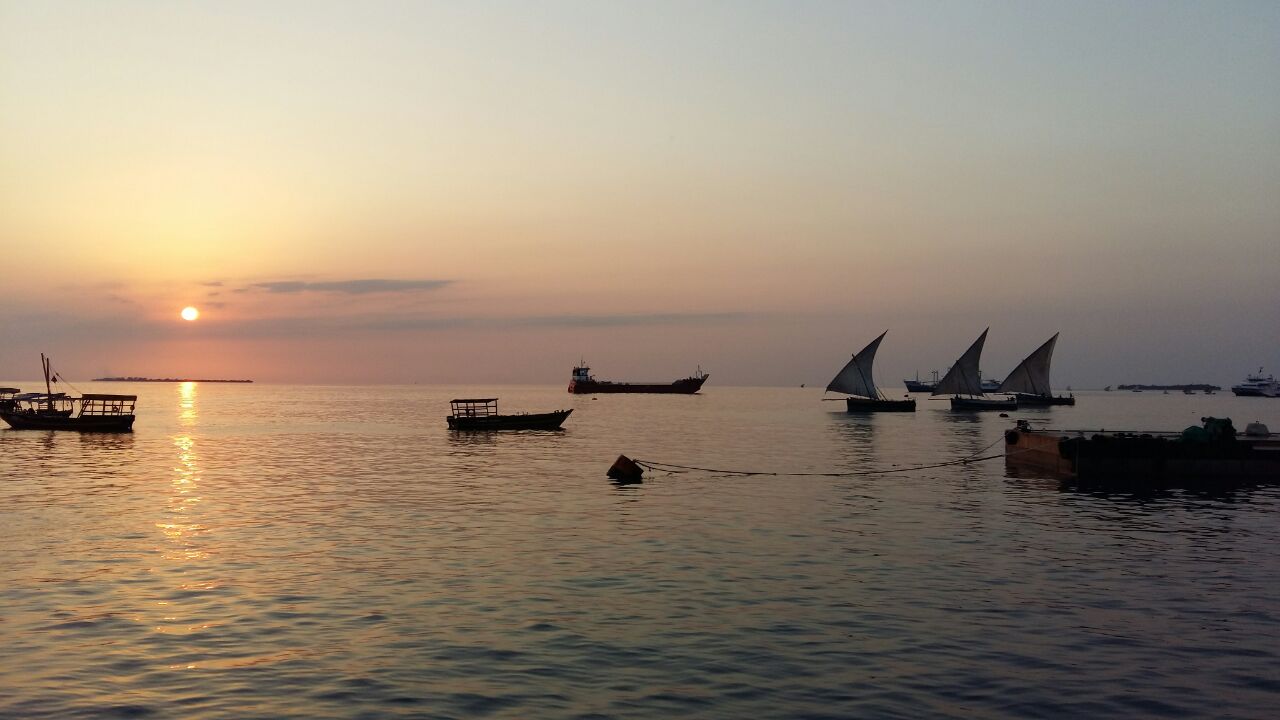
- For a combined safari and Zanzibar beach trip: June to October or December to February.
Frequently asked questions
Is it worth going on safari in the rainy season?
Yes. Wildlife does not leave the parks, and the Ngorongoro Crater and Tarangire remain excellent. You will also enjoy lower prices and fewer vehicles.
When is the cheapest time for a Tanzania safari?
April and May offer the lowest lodge rates. Early November and early December are also good value.
Park-by-park: when each park is at its best
Serengeti
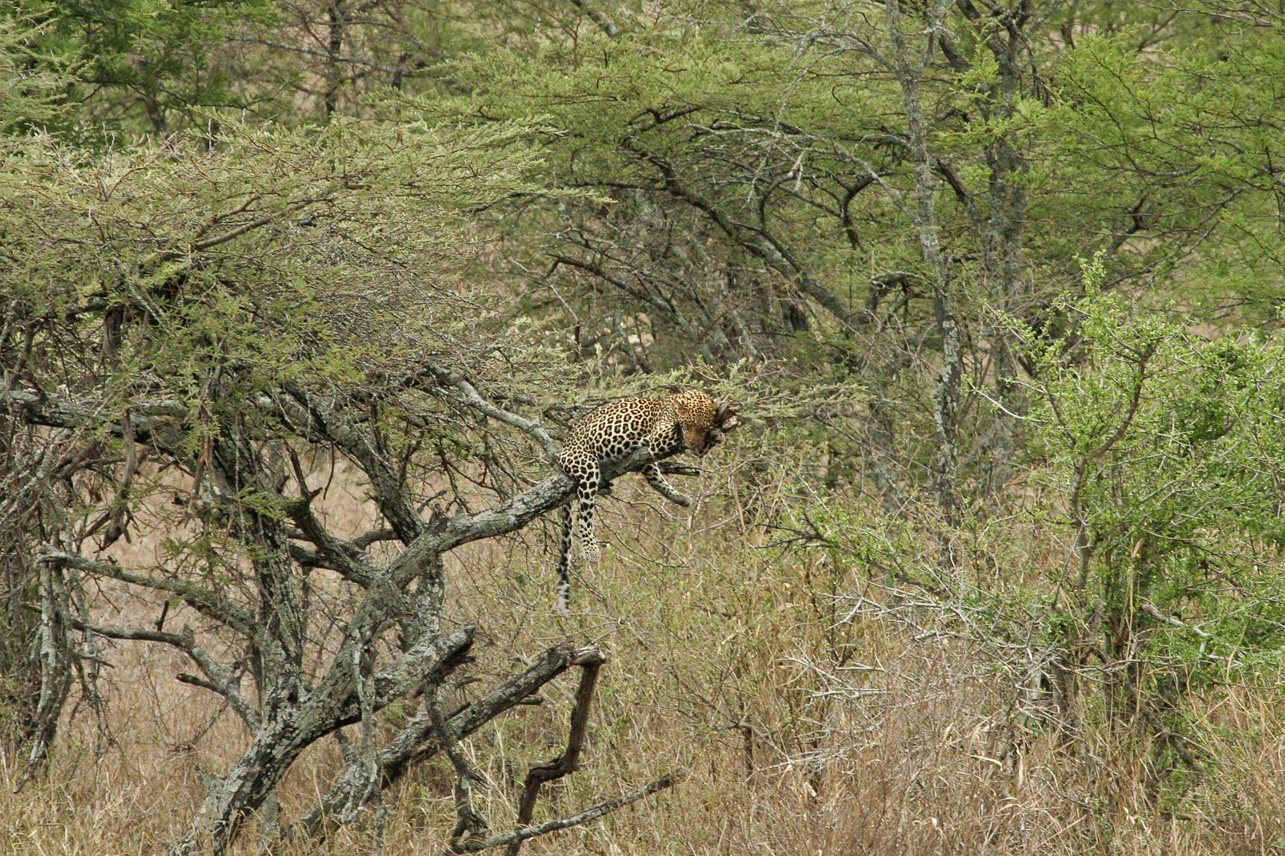
Good all year because the migration is always somewhere in the ecosystem. The central Seronera area has resident lions, leopards and cheetahs in every month, so even outside migration hotspots you will see plenty.
Ngorongoro Crater
Excellent all year. Wildlife stays in the crater because water and grazing are available year-round. In the dry season the crater floor is dusty and busier; in the green season it is lush, photogenic and quieter.
Tarangire
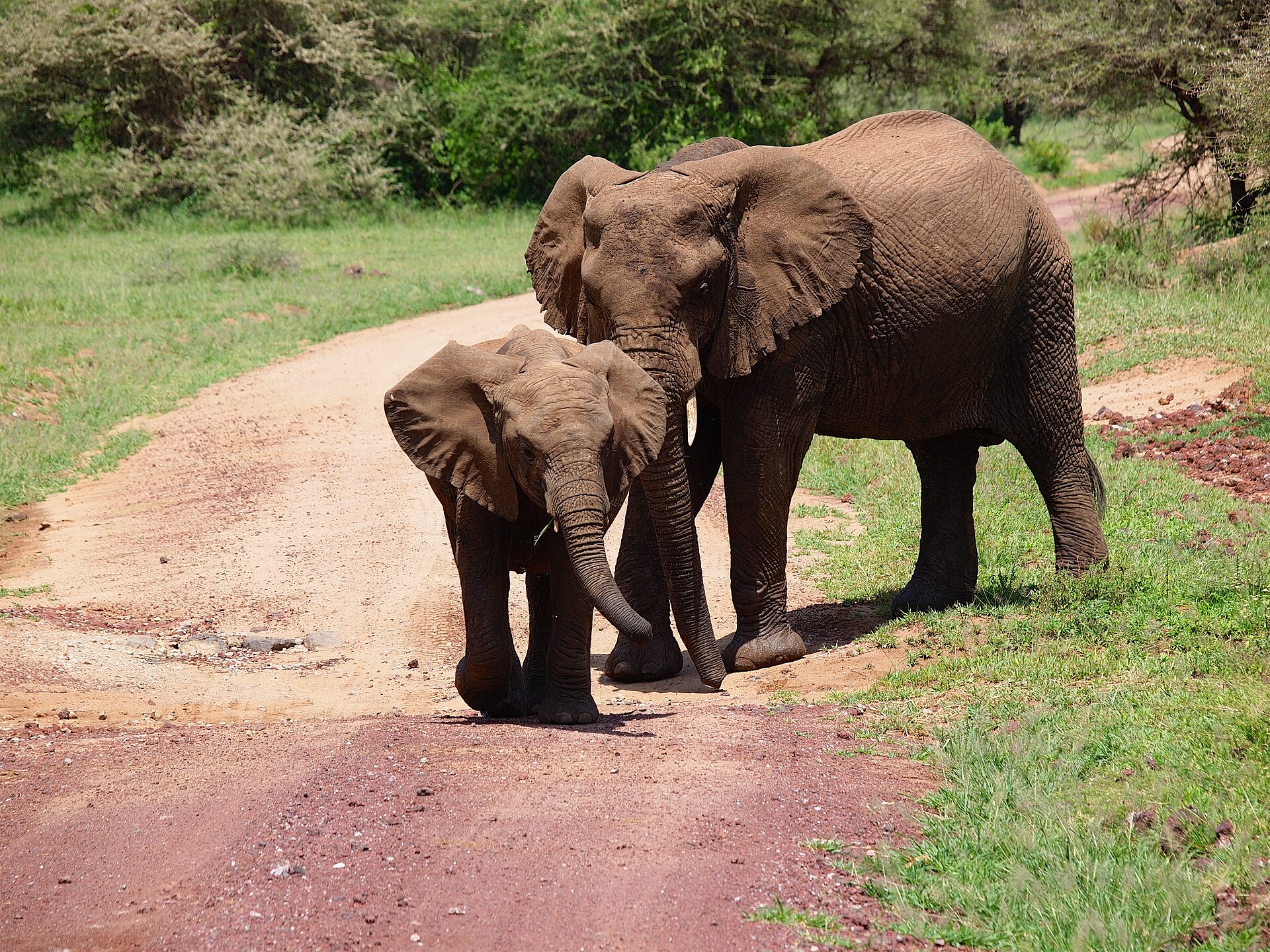
At its best from June to October, when elephants and other animals crowd the Tarangire River. In the wet season the animals spread out, but birdlife is outstanding.
Lake Manyara
Good all year, with the lake attracting flamingos and pelicans when water levels are right. The forest stays green even in the dry season.
Weather and temperatures
Northern Tanzania's safari parks lie at altitudes of roughly 1,000–2,300 m, so temperatures are pleasant rather than extremely hot. Daytime highs are usually in the mid-20s °C. Early mornings can be cold, especially on the Ngorongoro Crater rim, where night temperatures can drop close to freezing in June and July.
Crowds and prices
- Busiest: July to September and the Christmas–New Year period
- Quietest: April, May and early November
- Best balance: June, October, January, February and early March
More frequently asked questions
Can I see the Big Five in any month?
Yes. The Ngorongoro Crater gives you a good chance of lion, elephant, buffalo and black rhino all year, and leopards are found in the Serengeti and Tarangire in every season.
Is it too hot in Tanzania in January and February?
Not usually. These months are warm, but the altitude of the northern parks keeps temperatures comfortable, and lodges are designed to stay cool.
How far ahead should I book?
For July to October and the festive season, book 6 to 12 months ahead to secure the best camps. For the green season, 2 to 4 months is often enough.
Plan your safari
Whatever month you travel, our team in Arusha will design a safari that matches the season. Browse our Tanzania wildlife safaris or contact us for a free itinerary.

Utmost Tanzania Tours
Utmost Tanzania Tours is an Arusha-based tour operator specialising in tailor-made wildlife safaris, Mount Kilimanjaro treks, Zanzibar beach holidays and cultural tours.